When Nature Throws a Tantrum, Call the Nearly-Famous 100 Volunteer Squadron!
Flood Defense Extravaganza: When Only 100 Volunteers Can Save the Day!
In a thrilling episode of American disaster management reality TV, the Federal Emergency Management Agency (FEMA) enacted its vision for a flood response master plan in Washington, counting on none other than the stalwart volunteer brigade—the Civil Air Patrol (CAP). In December, nearly 100 fearless volunteers from the Washington and Oregon squads gleefully leaped into action amidst FEMA’s call to aid after a series of Pacific storms decided to visit Washington’s 14 unlucky counties. The state felt that welcoming large-scale chaos from nature was the perfect way to spread some holiday cheer.
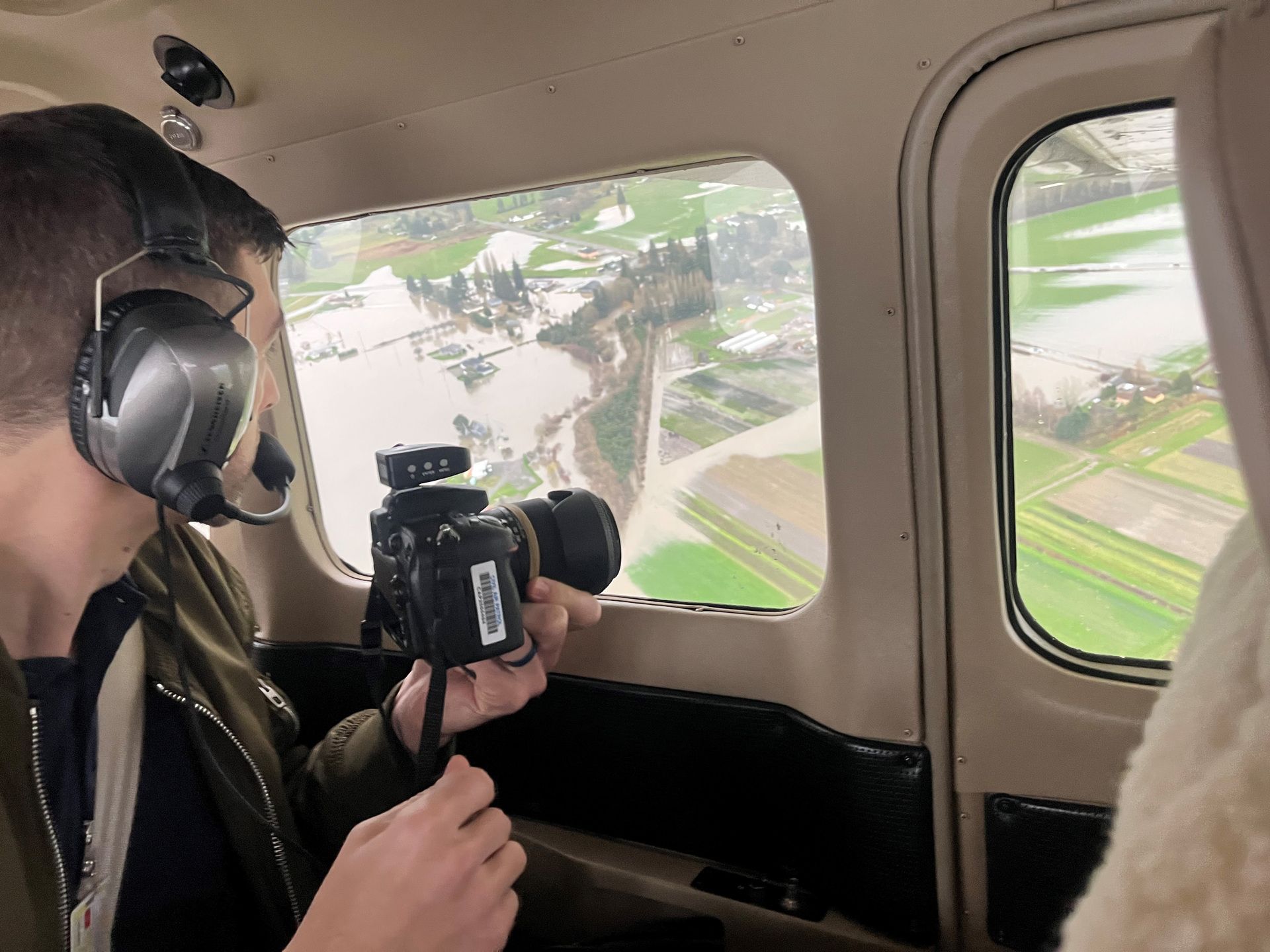
Imagine FEMA’s delight as CAP was enlisted to provide high-definition, post-apocalyptic-style aerial and ground snapshots, especially for those tough-to-get-to places where good, old-fashioned boots on the ground just couldn’t hack it. Featured as the unsung heroes of the sky—or ground robots with cameras—Civil Air Patrol is celebrated as the esteemed wingman of the U.S. Air Force, helping to mop up the post-storm mess like pros.
Starting December 11, CAP got straight to work with their gallery of photo missions across western Washington, parading from Whatcom County through the Puget Sound like an artist on tour—only, their medium involved flooded basements and washed-out roads instead of oils and pastels. Over a zesty 16-day period, CAP volunteers performed a whopping 56 epic missions. Say what you will about Mother Nature’s boundless fury, but she sure knows how to keep everyone busy.
The unforgettable highlight of this mission? Aircrews flew daring low-level sorties to capture those ultra-zoomed flood vistas, while ground troops and sUAS teams scouted photogenic safe zones inaccessible to those pesky airplanes. FEMA’s designated heroes provided the essential “scoop” demanded by emergency managers to win the flood-response popularity contest, cleverly sidestepping actual fieldwork as information poured in for resource allocation and community rebuilding.
The grande finale of this saga? Debriefing accolades were showered upon CAP, with Morgan, a representative who could really hold a microphone, issuing heartfelt platitudes. “Civil Air Patrol’s volunteer members showed up like superheroes,” they gushed, “from aircrews to ground teams, they conquered missions, logistics packed.” If that isn’t true commitment to synchronized disaster dance-offs, we don’t know what is.
And just when we thought it couldn’t get any better, the mission underscored a poignant, generally unsaid truth: disaster response will always invite the Civil Air Patrol’s collaboration, rocking the FEMA party like it’s 1999. Civil Air Patrol doesn’t just patrol; they integrate seamlessly with federal coordination centers, adding a layer of 3D aerial support to emergency management’s intricate jigsaw puzzle. It’s a dazzling display of partnerships that would make any LinkedIn profile green with envy.
For those interested in a slice of the action—perhaps to fulfill a post-retirement bucket list or to impress neighbors with tales of heroism—Civil Air Patrol offers the ultimate volunteering gig. No previous flight hours? Never fear! This isn’t Top Gun. All you need is a zest for community service and the ability to smile in the face of logistical nightmares.
Be sure to visit gocivilairpatrol.com and discover how you, too, can sign up for roles in disaster assessment, aviation support, communications, and emergency operations without any cumbersome prerequisites. Come contribute to a reality show where saving lives and serving property destruction come with rewards of gratitude and the opportunity for more photo missions in the future!
As long as nature continues to hand out calamities like party favors, Civil Air Patrol’s volunteer empire promises to stand ready, ensuring America never runs out of heroic anecdotes or dazzling airborne selfies.