Heroes in the Sky: CAP’s Epic Battle Against Invisible Solar Menace to Protect Cell Phones
Aurorasaurus: The Siege of the Space Beacons
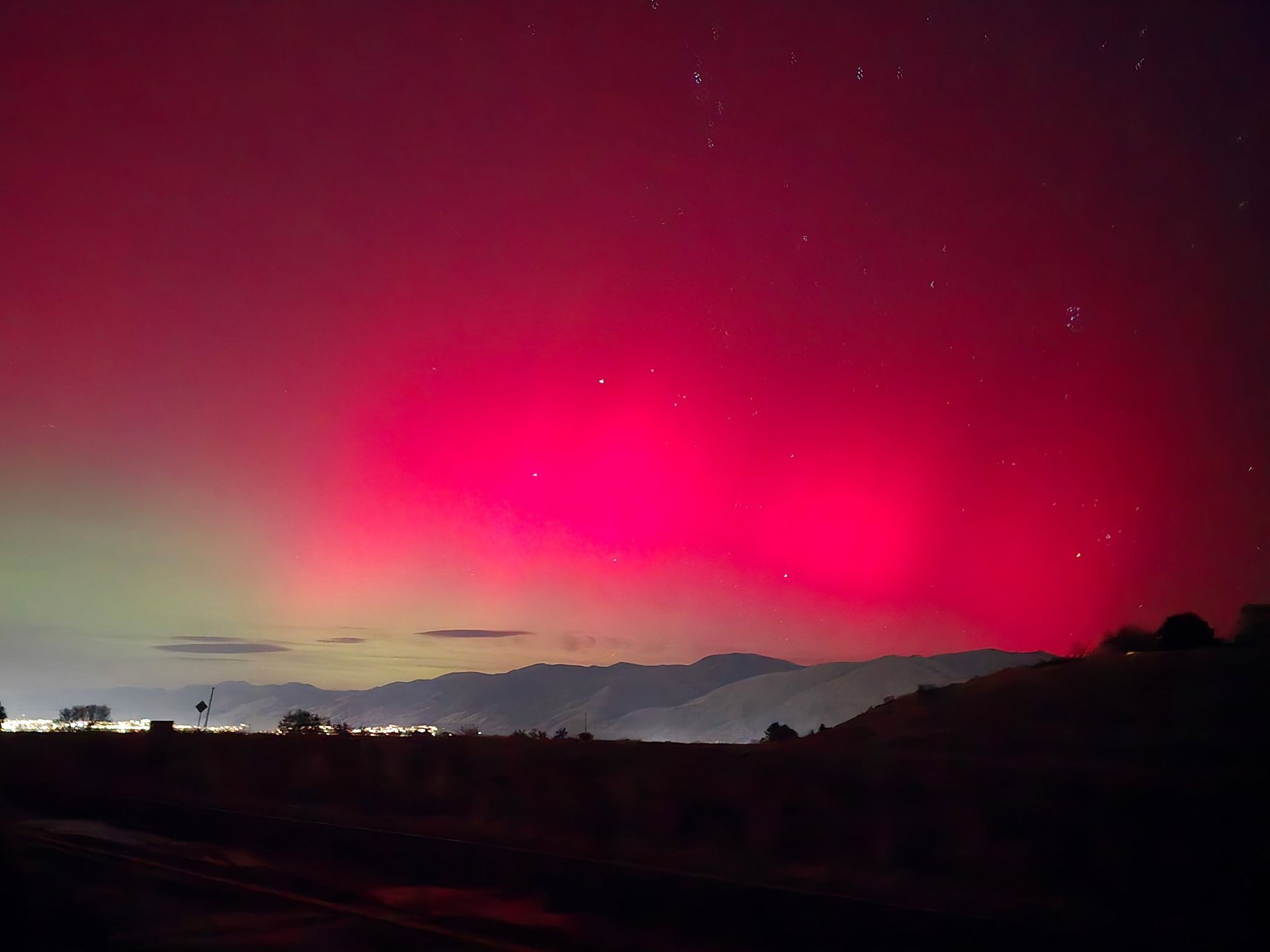
In a daring adventure of cosmic proportions, Civil Air Patrol (CAP) members bravely engage in the Herculean task of spotting green lights in the sky, all in support of the almighty Aurorasaurus—an ambitious citizen science program determined to give our earthbound lives a touch of celestial glow. These CAP crusaders activate their mission during geomagnetic storms of epic G2 magnitude or greater, unwittingly defending Earth from the unknown menace of the mighty solar sneeze. Such storms, prestigious in their ability to slightly confuse Earth’s magnetic field, become harbingers of mesmerizing sky doodles at higher latitudes and harbingers of mild GPS inconvenience.
Meanwhile, in a daring exposé on the New Mexico desert sand stage, Aurora Watch volunteers amassed in legendary union between Nov. 5-17. An army hailing from 31 states and all eight regions of the galactic federation—better known as CAP—fell into synchronized line, all while bravely tackling the outlandish series of X- and M-class solar flares serrating from the infamous Sun Region 4274. Seven geomagnetic storms felt the disciplined gaze of CAP’s monocles, contributing both real-time reports and a hearty round of applause for their readiness to support what must surely be an alien invasion dressed up as a space weather pattern.
In a widely attended celestial prize fight, the Veterans Day superstorm slugged it out for headlines by letting auroras dance as far south as Florida, much to the delight of the sunburned locals. But the true heroics occurred in the plodding anonymity of G2 and G3 geomagnetic storms, the unsung balrog of space disturbances. Those moderately rowdy tempests threatened the most cherished of human systems—like cell phone signals and plane GPS—but dared not rustle the cosmic waters sufficiently to inspire public spectacle. Enter CAP, ever dedicated to the underdog storms, wading in with intuitive grace to solve a growing data crunch by supplying over 80% of aurora sightings. As exclusive reporters of mid- to low-latitude phenomena, they tackled the most critical blind spot in space weather—namely, coaxing sleeping neighborhoods to report auroras when they’re not even looking.
From Ohio to the furthest lands of those armed with telescopes, Aurora Watch volunteers soldier on, stressing that this isn’t mere weekend cosplay. It is their life’s work, underpinned by a solemn promise to convert streaks in the sky into scientific celestial roadmaps, elegantly complementing satellite observations, and revealing the secret diets of heavenly igneous storms.
Should you find yourself longing for interstellar gallivanting, CAP and Aurorasaurus heartily invite you to explore the ethereal Aurora Watch Mission. If not yet one of the patriotic CAP confederates, you too can join the nearest regiment. Alternatively, bask in the knowledge of this NASA-sided enterprise, connecting humans to the sun’s dramatic ballet just because we can.